
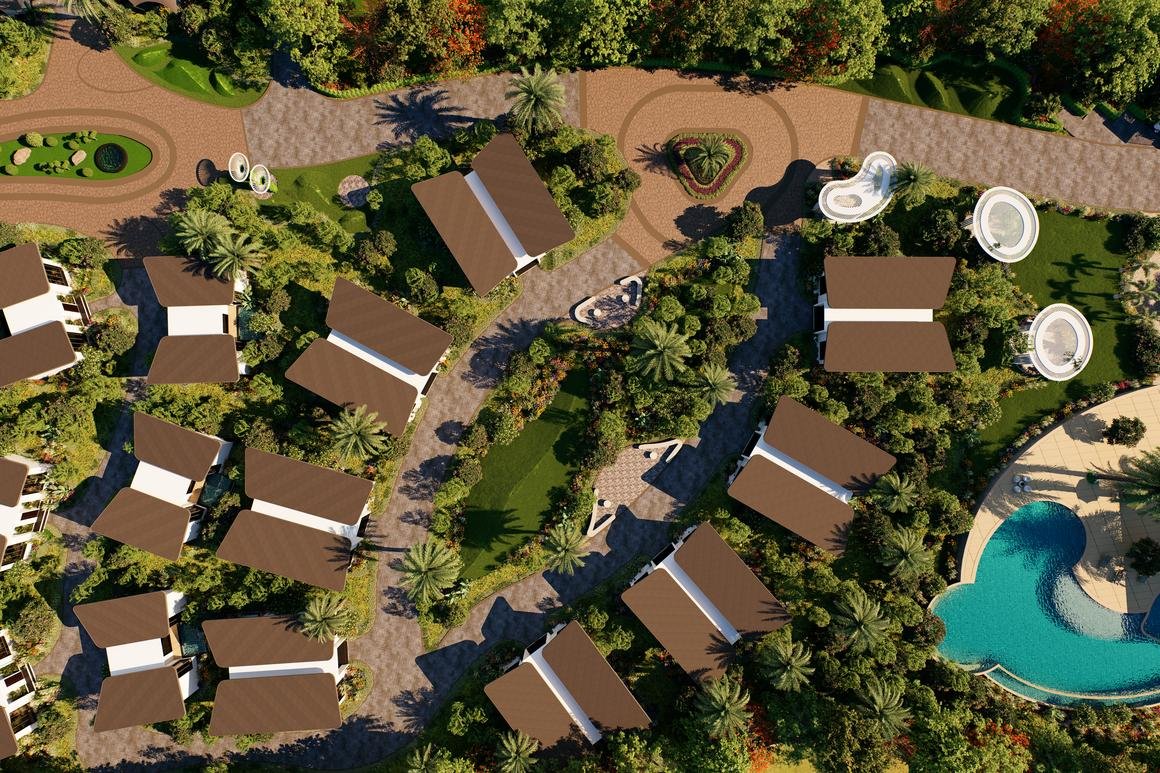
Resort Investment in India: A New Perspective on Luxury Real Estate Ownership
Indian real estate is gradually moving beyond the familiar categories of residential apartments, commercial offices, plots, and traditional rental properties.
As investors look for alternative ways to diversify their real estate portfolios, Resort Investment in India is emerging as a distinctive segment—one that connects tangible asset ownership with tourism-led destinations, professionally managed future operations, and lifestyle-linked ownership privileges.
This is the space in which Sumoraa Resorts & Spa is developing its investment proposition.
With resort developments across Jawai, Udaipur, Jaipur, Bandhavgarh, and Ranthambore, Sumoraa is creating destination-led resort investment opportunities for investors seeking something beyond conventional property ownership.
At the centre of the model is a structured approach based on resort asset ownership and the Sale-Lease-Back model.
What Is Resort Investment in India?
A resort investment generally involves acquiring an eligible villa, suite, room, or other resort-linked asset within a planned resort development.
Unlike an independently managed holiday home, the asset is intended to become part of a larger professionally operated resort ecosystem once the project becomes operational.
This distinction is important.
With a conventional holiday property, the owner may need to manage maintenance, rental enquiries, housekeeping, repairs, property administration, and occupant management.
A structured resort investment can separate ownership from day-to-day operations.
The investor owns the eligible resort-linked asset, while future resort operations are managed professionally according to the applicable project agreements.
For investors evaluating Resort Investment in India, this creates a different relationship with real estate—one that combines ownership with a professionally managed operating environment.
Why Resort Investment Is Different from Conventional Real Estate
Traditional real estate is often evaluated through factors such as location, rental potential, capital appreciation, and long-term demand.
Resort investment includes many of the same considerations but adds another important layer: destination value.
A resort asset does not exist in isolation.
Its long-term relevance can be influenced by the destination’s tourism appeal, connectivity, wildlife, heritage, events, leisure demand, weddings, nature, and experiential travel.
This means investors are not simply evaluating the property.
They are also evaluating the destination surrounding it.
That is why Sumoraa’s development strategy focuses on locations with distinctive tourism identities.
The Sumoraa Destination Portfolio
Sumoraa is developing opportunities across five destinations, each offering a different investment context.
Jawai
Jawai is known for its dramatic granite formations, open landscapes, wildlife, and association with leopard tourism.
Its wilderness identity and experiential tourism appeal make it a distinctive destination for resort-led real estate.
Udaipur
Udaipur combines heritage, lakes, destination weddings, luxury tourism, and strong leisure demand.
Its established reputation as one of Rajasthan’s premium travel destinations makes it relevant for destination-led resort development.
Jaipur
Jaipur offers a combination of heritage, tourism, business connectivity, weddings, events, and a large visitor market.
As one of India’s most recognisable heritage cities, it provides a different resort investment environment from purely wilderness-led destinations.
Ranthambore
Ranthambore is strongly associated with wildlife tourism and tiger safaris.
Its established destination identity creates opportunities for nature-focused resort development.
Bandhavgarh
Bandhavgarh brings together forest tourism, wildlife experiences, and nature-led travel.
Its destination character adds further diversification to Sumoraa’s resort investment portfolio.
Together, these destinations illustrate an important principle:
In resort investment, the destination itself becomes part of the investment proposition.
Understanding the Sale-Lease-Back Model
One of the key structures associated with Sumoraa’s resort investment proposition is the Sale-Lease-Back model.
The concept is relatively straightforward.
An investor acquires an eligible resort-linked asset according to the applicable project documentation.
The asset is subsequently leased back under the relevant agreement for professional resort operations once the development becomes operational.
This creates a clear distinction between:
Ownership of the asset
and
Operation of the resort
The investor remains connected with the underlying property, while professional teams manage future day-to-day resort operations.
This may include activities such as maintenance, housekeeping, guest management, bookings, staffing, resort services, and property operations, depending on the applicable project structure.
In simple terms:
The investor owns the resort asset. Professional teams operate the resort.
Why the Sale-Lease-Back Model Matters
Managing an independently owned holiday property can involve significant effort.
The owner may need to handle:
Property maintenance
Rental management
Housekeeping
Repairs
Security
Tenant or guest coordination
Property administration
The Sale-Lease-Back model is designed to reduce this operational burden.
Instead of independently managing the property, the resort-linked asset becomes part of a professionally operated environment once the project becomes functional.
For investors exploring Resort Investment in India, this can make the ownership structure more practical and organised.
The Role of Professionally Managed Future Operations
A resort-linked asset derives part of its long-term relevance from how effectively the overall development is operated.
Once operational, the larger resort ecosystem may include accommodation, dining, wellness, celebrations, events, destination weddings, recreation, and other activities.
The individual investor does not need to independently create or manage this ecosystem.
Professional operations are intended to handle the day-to-day functioning of the resort according to the applicable agreements.
This is one of the major differences between purchasing an isolated vacation property and investing in a resort-linked asset.
Ownership Benefits Beyond the Asset
Depending on the specific Sumoraa project and applicable agreements, resort ownership may also include lifestyle-linked privileges.
These may include elements such as:
Annual stay privileges
Wedding or event benefits
Lifestyle advantages
Applicable return structures
Profit-sharing arrangements
Professionally managed operations
Reduced day-to-day maintenance responsibility
Potential long-term property appreciation
The exact combination of benefits may differ between projects.
Investors should always refer to the applicable documentation for details regarding ownership rights, income structures, privileges, timelines, and operational terms.
Resort Investment and the Rise of Destination Real Estate
One reason Resort Investment in India is becoming increasingly relevant is the changing nature of travel.
Modern travellers are exploring experiences beyond conventional city tourism.
Wildlife destinations, wellness retreats, heritage locations, destination weddings, nature-based travel, and experiential tourism have all contributed to the growing importance of destination-led real estate.
This creates an interesting opportunity for investors.
Instead of investing only in the physical structure, investors can potentially participate in assets connected with destinations that have their own long-term tourism identities.
Why Destination Selection Matters
Not every location is equally suitable for resort investment.
Investors should evaluate factors such as:
Existing tourism demand
Destination recognition
Accessibility
Future infrastructure
Nature or heritage appeal
Wildlife tourism
Wedding and event potential
Seasonal patterns
Development quality
Project positioning
Future professional operations
Sumoraa’s portfolio across Jawai, Udaipur, Jaipur, Ranthambore, and Bandhavgarh reflects different forms of destination appeal.
This diversification can help create a broader resort investment platform rather than relying on one tourism market alone.
What Investors Should Evaluate Before Investing
Like every real estate investment, resort investment requires careful evaluation.
Before making a decision, investors should understand:
Ownership Structure
What exactly is being purchased, and how will ownership be documented?
Sale-Lease-Back Terms
How will the asset be leased back for future resort operations?
Return Structure
Are applicable benefits based on rental income, profit sharing, revenue participation, or another mechanism?
Development Status
What is the current project stage, and what are the proposed timelines?
Professional Operations
Who will be responsible for future resort operations?
Owner Privileges
What annual stay, wedding, event, or other privileges are included?
Maintenance Responsibilities
Which responsibilities remain with the owner and which are handled by the resort ecosystem?
Exit and Transfer
What are the applicable rules regarding resale, transfer, or exit?
These considerations should be evaluated through the project’s legal and commercial documentation.
Resort Investment as a Long-Term Asset Strategy
The appeal of resort investment lies in its ability to combine multiple dimensions within one asset category.
There is the tangible nature of real estate.
There is the long-term relevance of the destination.
There is the potential of professionally managed future operations.
And depending on the project, there can also be lifestyle-linked ownership privileges.
This makes resort investment different from both a conventional investment property and an independently managed holiday home.
Sumoraa’s Approach to Resort Investment in India
Sumoraa Resorts & Spa is building its investment proposition around three core ideas:
Destination. Ownership. Structure.
The destination provides the tourism context.
The resort-linked asset creates tangible ownership.
And the Sale-Lease-Back model provides the framework for professionally managed future operations.
With developments across Jawai, Udaipur, Jaipur, Bandhavgarh, and Ranthambore, Sumoraa is creating a diversified destination-led portfolio for investors exploring Resort Investment in India.
The objective is not simply to offer another property.
It is to create resort-linked assets connected with distinctive destinations and structured ownership models.
A Different Way to Think About Real Estate
The future of real estate investment may not always revolve around another apartment, office, or plot.
For some investors, the next opportunity may lie in destination-led assets that combine ownership with professionally managed future operations.
That is where Resort Investment in India presents an alternative perspective.
With the right destination, appropriate documentation, a clearly defined Sale-Lease-Back structure, and a professionally planned development, resort investment can become a distinct category within a diversified real estate portfolio.
For Sumoraa, the proposition can be summarised simply:
Own a resort-linked asset. Participate in a destination. Let professionals manage the future resort operations.
Explore Resort Investment with Sumoraa
Enquiries: +91 9983 467 467
www.sumoraa.com
Investment benefits, return structures, privileges, development timelines, operating arrangements, and ownership terms are project-specific and subject to the applicable agreements and documentation.